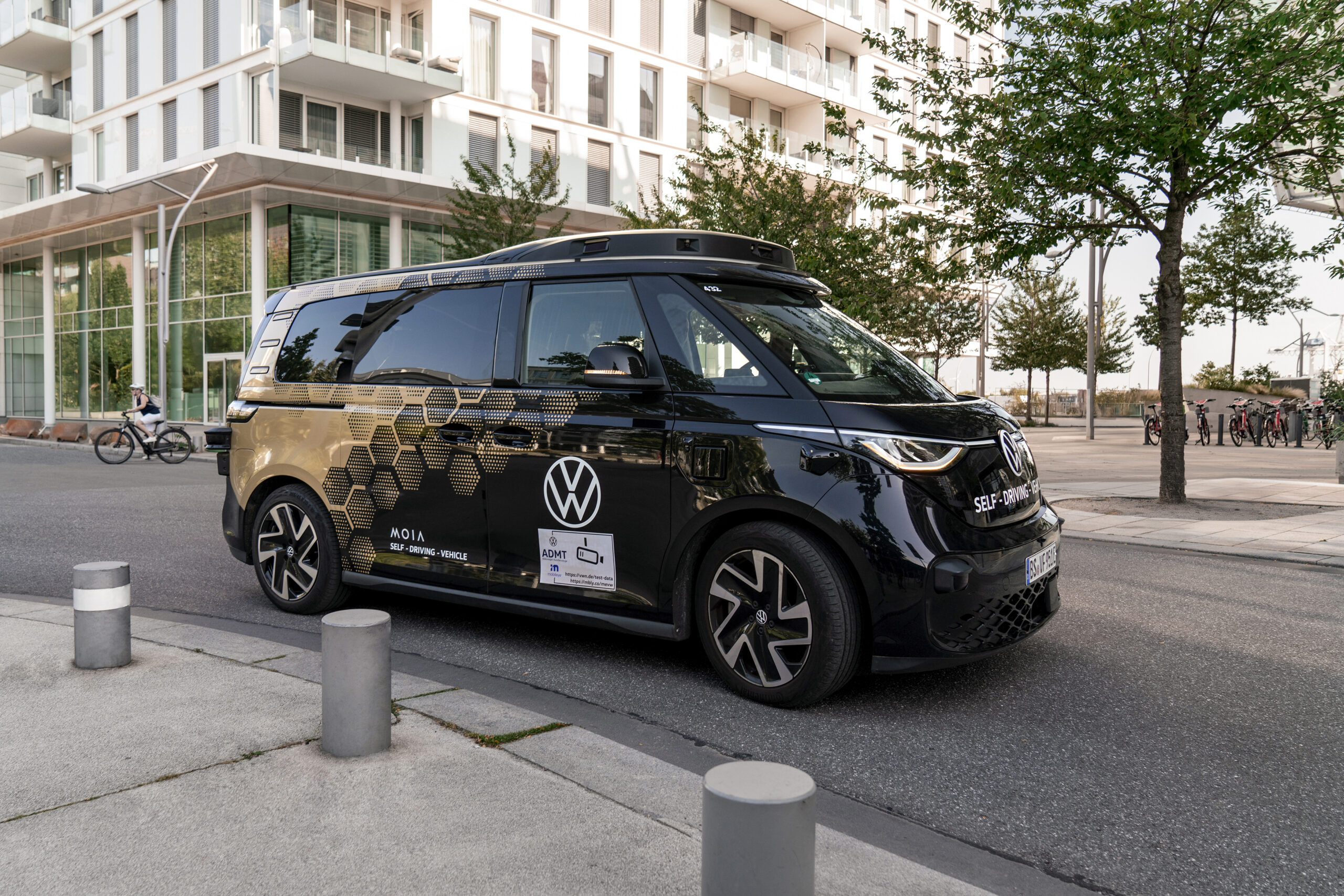
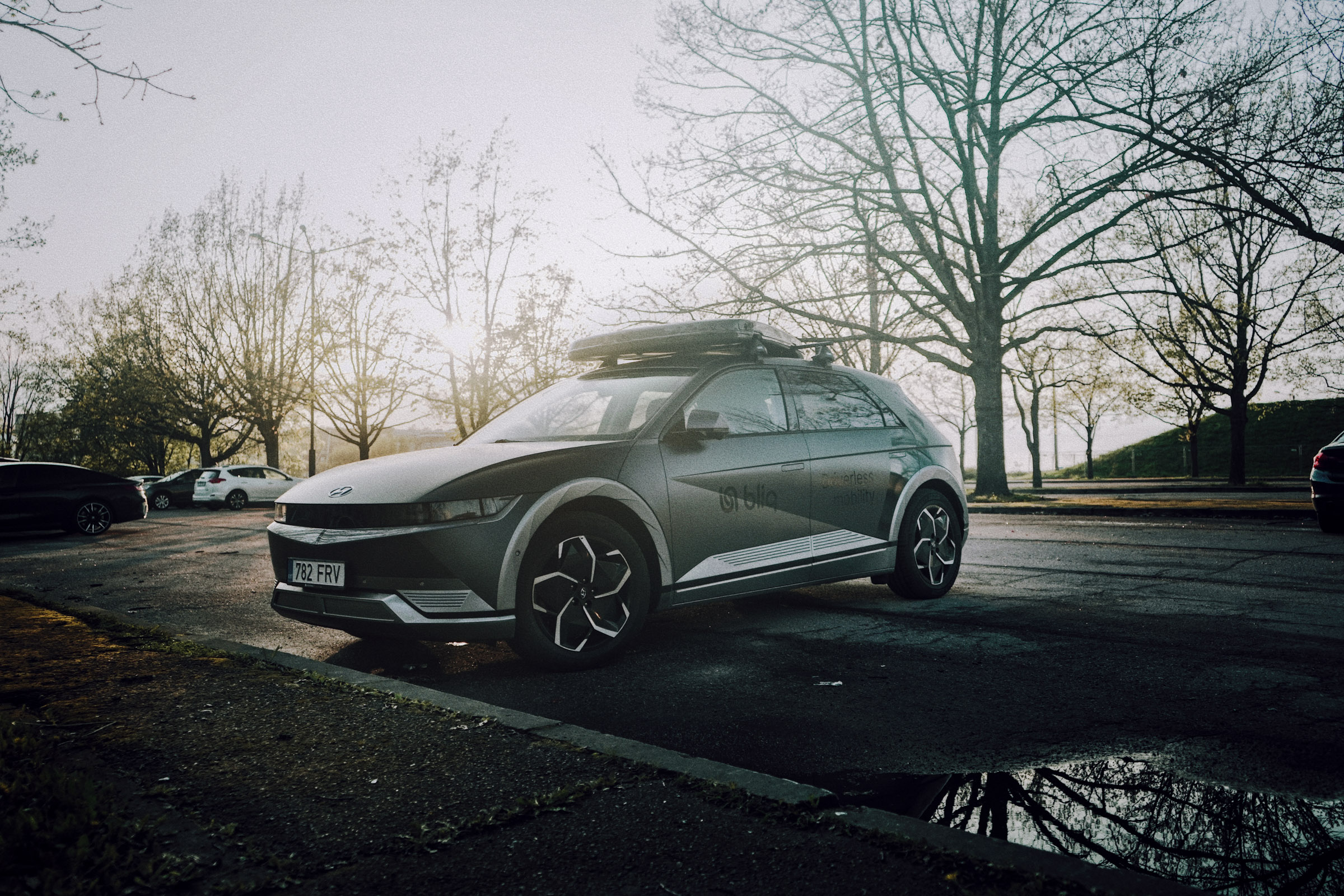
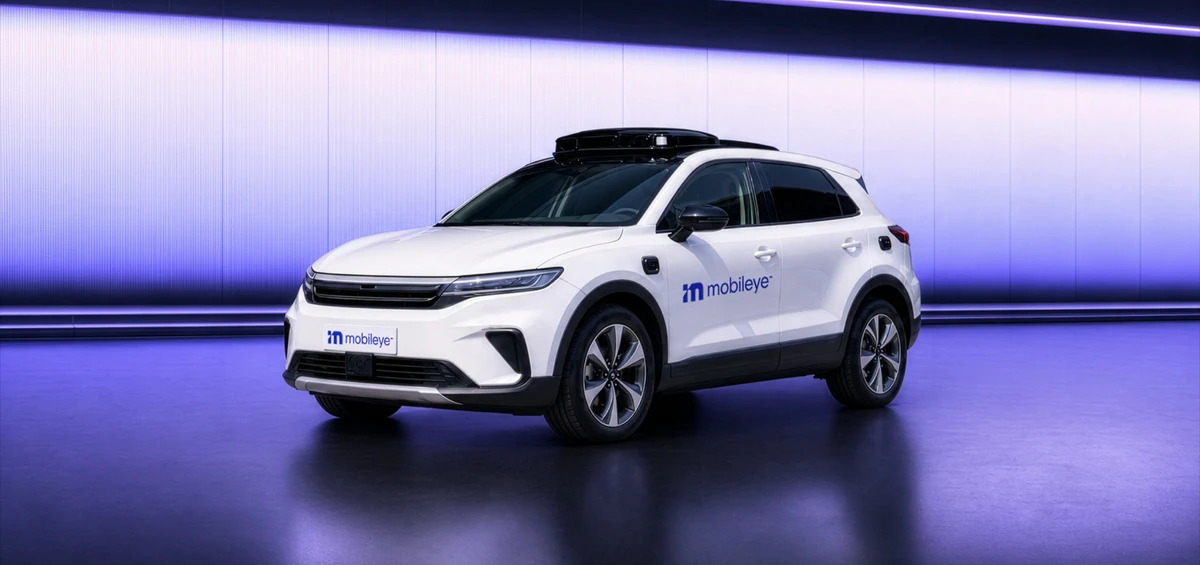
Bliq AI wants to turn the autonomous vehicle from something you hail into something you can call your own. The Berlin based startup, founded by former Volkswagen and Siemens engineer Julian Glaab, is positioning itself as a “neo-OEM”, offering driverless vehicles through long-term subscriptions rather than traditional ownership.
Bliq currently has 50 people across Berlin and Tallinn and is already operating fully driverless vehicles on public roads in Estonia and Finland. The company has raised €40 million to date and sees a market for 150,000 Bliq vehicles on European roads by 2032.
IZON: Explain how I would book a private autonomous vehicle through Bliq AI?
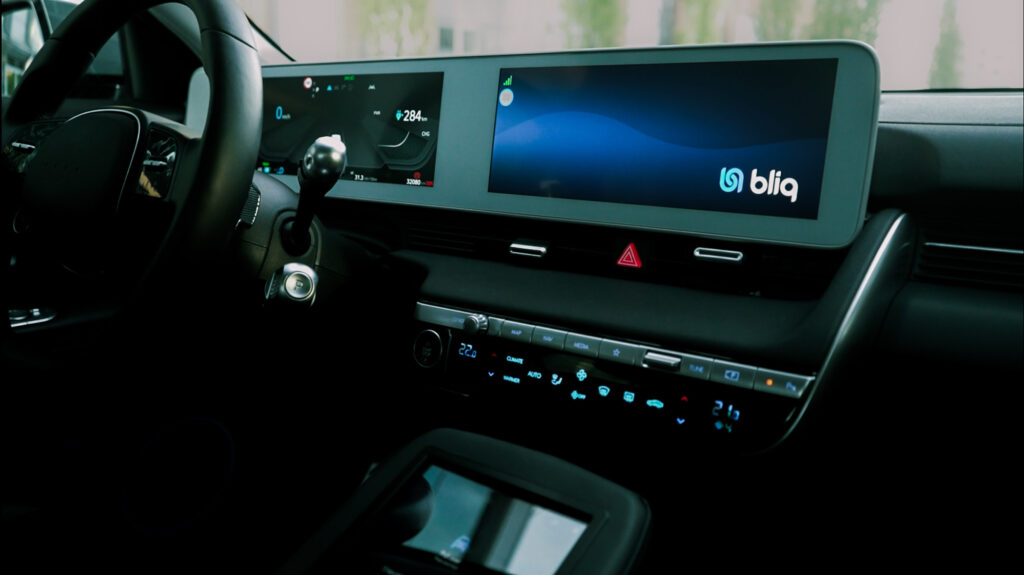
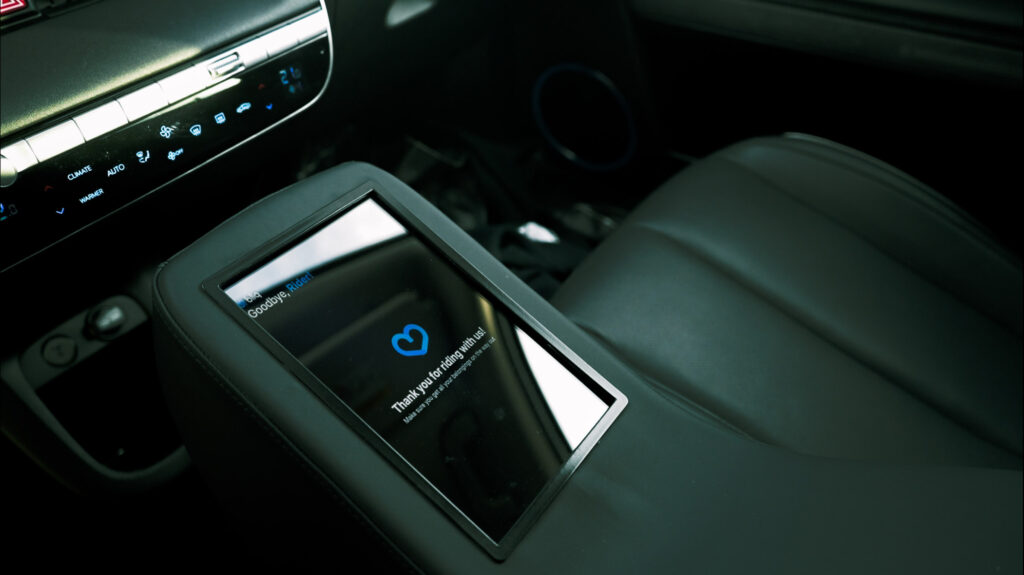
Julian Glaab: It’s essentially a car subscription service. You go to our website and you can sign up for a waitlist or for regular demo days where you can try out the car. Right now it’s available in Estonia and Finland. You can meet with us and try the car for half a day to see if it’s right for you. Then we make a contract, 12 to 24 months, very similar to a leasing contract. When you have the vehicle, there is an app and you can basically just summon the car when you need it. Inside the vehicle there is a screen in the back and one in the front. You can enter your address, much like in a traditional navigation system, and then off you go.
How much does it cost on a subscription?
Right now, our prices start at €1,300 a month, all the way up to €2,500 a month. That includes everything: the base vehicle, electricity, insurance, our services, the hardware installed on the vehicle, facilities and parking fees.
It is a premium offering at this point in time, but it’s cheaper than using ride hailing 100% of the time that you’re driving at the volume of our customers. It’s certainly cheaper than a car plus a chauffeur, which is what our customers right now are comparing us against, especially on the private side.
So who is the target customer?
I would characterise our customers right now, especially the private ones, as people that have some money but definitely no time. They might not feel like a chauffeur would be the right thing for them because they feel like it maybe comes off in a weird way, but they would like to get as much out of their own time as possible.
This stuff does cost money, so it’s natural that we have to go after the customer that has those kinds of budgets initially. Then, as the volume grows, prices will come down and we can start offering this to a wider audience at a lower price point.
How do you price the contracts?
We design our contracts with a typical customer profile in mind, which is roughly 90 hours a month. This covers your average nine to five commute and some time on the weekend, maybe some grocery shopping and getting your kids to soccer class.
The cost that arises from a service like this is actually having someone on staff making sure that your ride is supervised and that somebody from Bliq is able to step in if the rider needs assistance.
If you are using the car for several hundred hours a month, particularly for business clients, our staffing requirements are different, so we have to adjust the cost base accordingly.
Where is the vehicle parked when not in use?
We look after it. I think it’s also a strong sales point because a lot of customers don’t have a driveway. You can potentially save on a garage if you’re living in a flat in the middle of the city.
It’s also part of our operating concept. To deploy these vehicles in a safe way, there are still a couple of checks we want to run on the vehicles frequently. We want to make sure the sensors are clean and there is no debris on them, but we also take care of charging and cleaning on behalf of customers. What we’re selling is really a fully hands off experience. You just get the transportation when you need it. Other than that, the car is out of your eyes.
What about waiting time as I imagine that will be different depending on where you live?
We’re still exploring that area because it’s such a new thing. We can have the vehicle with you, but we just have to see it every other day, and we can also work around your schedule with things like cleaning and charging. For us, the way we manage this operational complexity right now is that in the app you specify a time when you need to have the vehicle. Outside of that timeframe we try to complete all the necessary work, whether it’s charging, cleaning or servicing sensors, so that by the time you need the car, it’s with you. That does require a little bit of planning ahead from the customer side, but this is currently the trade off.
Are there business customers using your service?
Yes, we now have the first business customer live which is a company called WiseClean, a cleaning company. They’re using our cars as a utility for their business, to run their operations and move key people and equipment around the city. We also have a number of private individuals testing this for extensive periods of time. Right now it’s really about building trust, showing people what the technology is great at, which scenarios it’s not so good at yet, and helping people understand if it is right for them.
In Germany, the first adopters of this technology are going to be public transportation companies. For them this is not a luxury, it’s a very basic need. The most tangible initial use case is on demand shuttles in rural areas. There are a lot of places in Germany with small vans or minibuses with between seven and 15 seats. You call and somebody dispatches a car, currently with a human driver. These are great starting points because you have plannability and a small form factor, we don’t need to build a full size bus and get that certified. We can use electric vans and integrate them into an existing operator concept where you have somebody on the ground who services the vehicles, monitors them and ensures safety.
There are other companies offering personally owned AVs. What’s your unique selling point?
First of all, we’re available right now. In the market that we’re operating in, you can literally go and buy this car right now, try it and use it. Second, the Tesla or purpose built autonomous vehicles are very expensive. Our cars, like the Ioniq 5 cost something like $50,000, and the hardware we’re adding to the car in the new generation is going to be around $15,000. This low cost allows us to offer this at a price point of currently €1,300. If the car was $200,000, the cost basis would be entirely different.
So if I lived in Tallinn, I could sign up and have the car come to my house today?
That is literally what we’re able to do there, with one caveat. There is a service area. Within Tallinn, you can drive to about 95% of the addresses right now.
What feedback have you had from customers?
Everybody wants to know if they can use the vehicle to make money for them when they’re not using it. I grossly underestimated this. I was thinking, it’s your private space, and why do you even need to share your vehicle? If you’ve got the money to afford that, why would you try to do that? But I was proven wrong. This is probably one of the top things people ask us right now: whether we’re going to do something to make it easier for them to share the vehicle or monetise the vehicle during downtime.
So are you heading towards an Airbnb model for autonomous cars?
I think that’s something that we’re going to see eventually. We’re probably not going to do it ourselves, but with a partner. We need that demand somehow, but we are in the business of selling cars, not in the business of selling chunks of a car in minutes or rides or whatever unit you want to come up with. That will probably be done in collaboration with somebody else.
Where do you see privately owned autonomous vehicles by 2030?
I think by 2030 we’re going to have a lineup of five or six vehicles that are all in different classes. We’re going to have something from a rather small compact electric SUV like the Ioniq 5, a premium vehicle that sits above that for an even higher pay grade, a minivan for public transportation, and probably a truck or utility vehicle for logistics use cases. I think we’re going to see our technology legalised in many more markets. By 2030, we’re probably going to have the better part of the European Union covered.
With robotaxis arriving now in Europe and people understanding that this is an option, people are going to go to their car dealership and ask, “Can I buy a driverless car from you? If I have the option, why are you not selling this to me?” I think there’s going to be an incredible amount of pull because of this.
And the long term ambition is 150,000 vehicles by 2032?
That’s the vision. We’ve raised a total of €40 million to date. Commercial industrialisation is going to take money, particularly investment in the supply chain. To make 150,000 cars and have the supply chain and manufacturing capability in place, I think this is going to take somewhere between €200 and €300 million within the next three years or so. We are raising the first chunk of that this year.
This interview has been edited for clarity and length.