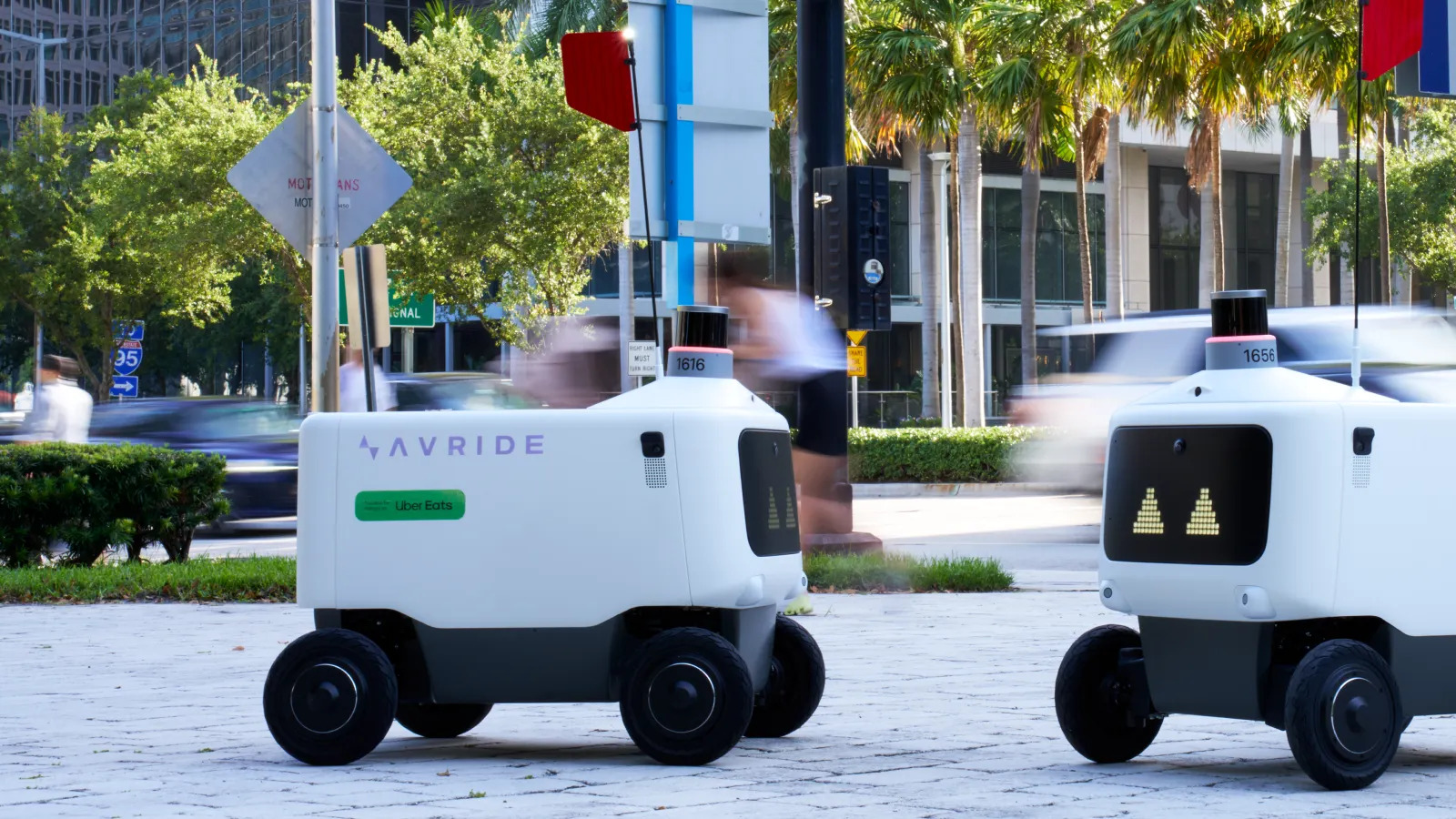
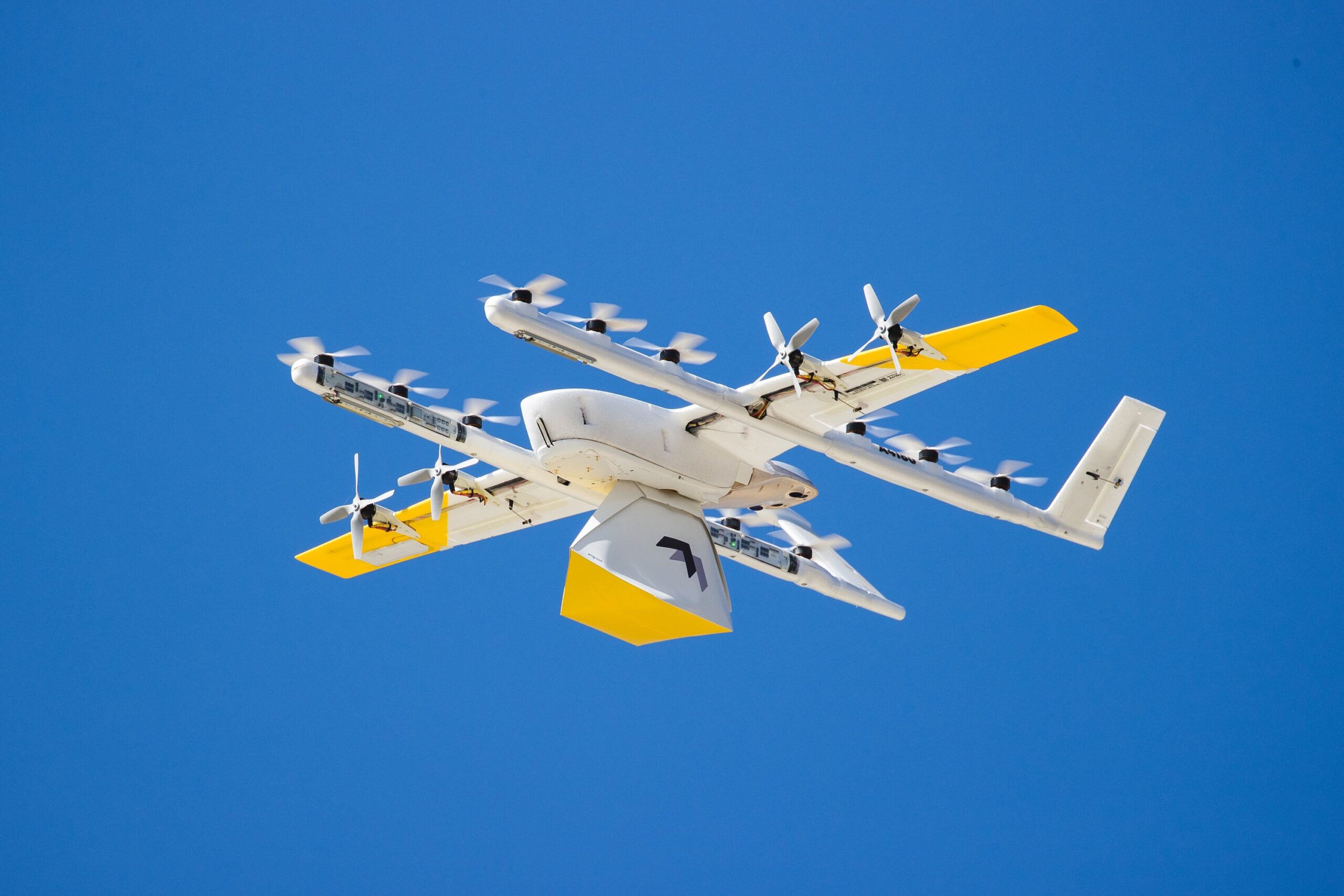
When you put a robot on a sidewalk, everyone notices. People don’t just glance; they stop, point, and take out their phones. After almost ten years in this field, I believe this is one of the biggest opportunities in robotics, and few are making the most of it.
Out-of-home advertising has always followed the same pattern. You rent a spot in a busy place and hope the right people pass by, but you never truly know who saw your billboard or if it mattered to them. For years, that was just how physical ads worked—lots of reach, but no real accountability. Since 2017, I’ve been working to prove that advertisers can expect more.
The origins of that solution started with a rideshare service in Florida, where rides were free thanks to local advertisers. The rides were popular, but the real breakthrough was showing advertisers exactly who saw their ads. By 2019, this became Nickelytics, a platform built on the idea that physical ads should be as measurable as digital ones. When Robot.com acquired Nickelytics in 2024, I joined as co-founder and president of media, excited to work with a company that already had a fleet of autonomous robots in public spaces.
To see why this approach is so different, it helps to look at what makes a robot stand out from any other kind of ad placement.
A robot is something everyone on the street notices
A robot never blends into the background like most technology does. It moves out in the open, in front of people who aren’t expecting it, and everything it does happens on full display. People tend to make up their minds about it almost the moment they see it. On a good day, that means waving and taking photos, and on a bad one, a single clumsy moment can turn into a viral video before lunchtime.
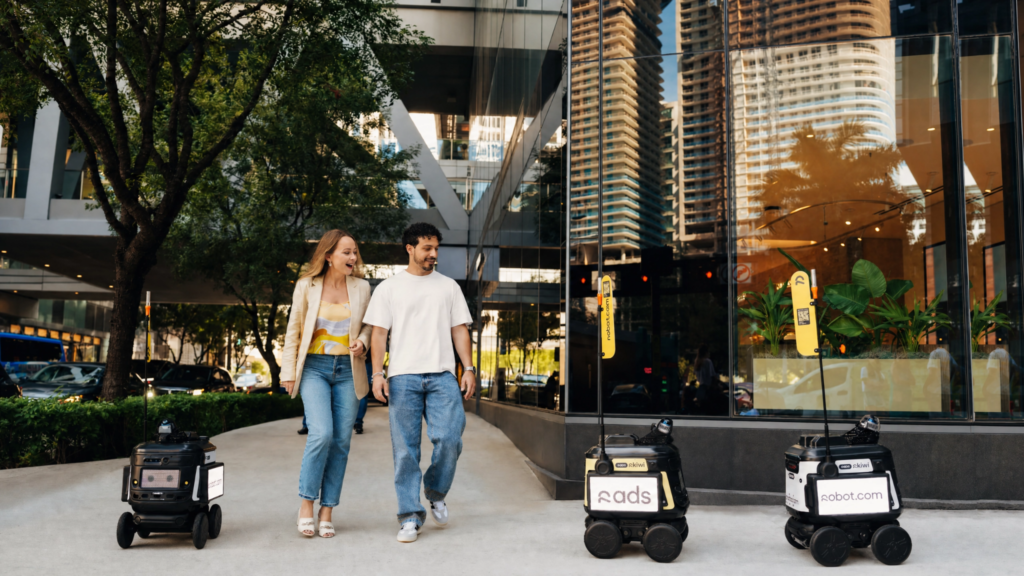
A lot of people look at that kind of exposure and see only risk, but I’ve come to think it’s the most interesting thing about the entire category. We’ve spent decades training ourselves to tune billboards out, and yet robots seem to pull eyes in exactly the right direction. They draw a crowd at a time when there are more and more of them on the street with each passing year. The real question, then, becomes: “What do you do with all that attention once you have it?” And the answer begins long before any ad appears, with how a robot earns its place in the neighborhood.
Why choosing a friendly look for robots matters more than you think
When a robot is going to live among people, the way it looks stops being a finishing touch and turns into one of the most consequential decisions you’ll make. A machine that feels cold or industrial puts a whole street on edge, while one that appears approachable gets waved at, named, and given room to do its job. In public-facing robotics, design carries real weight, because it’s ultimately how a machine earns the right to be there at all.
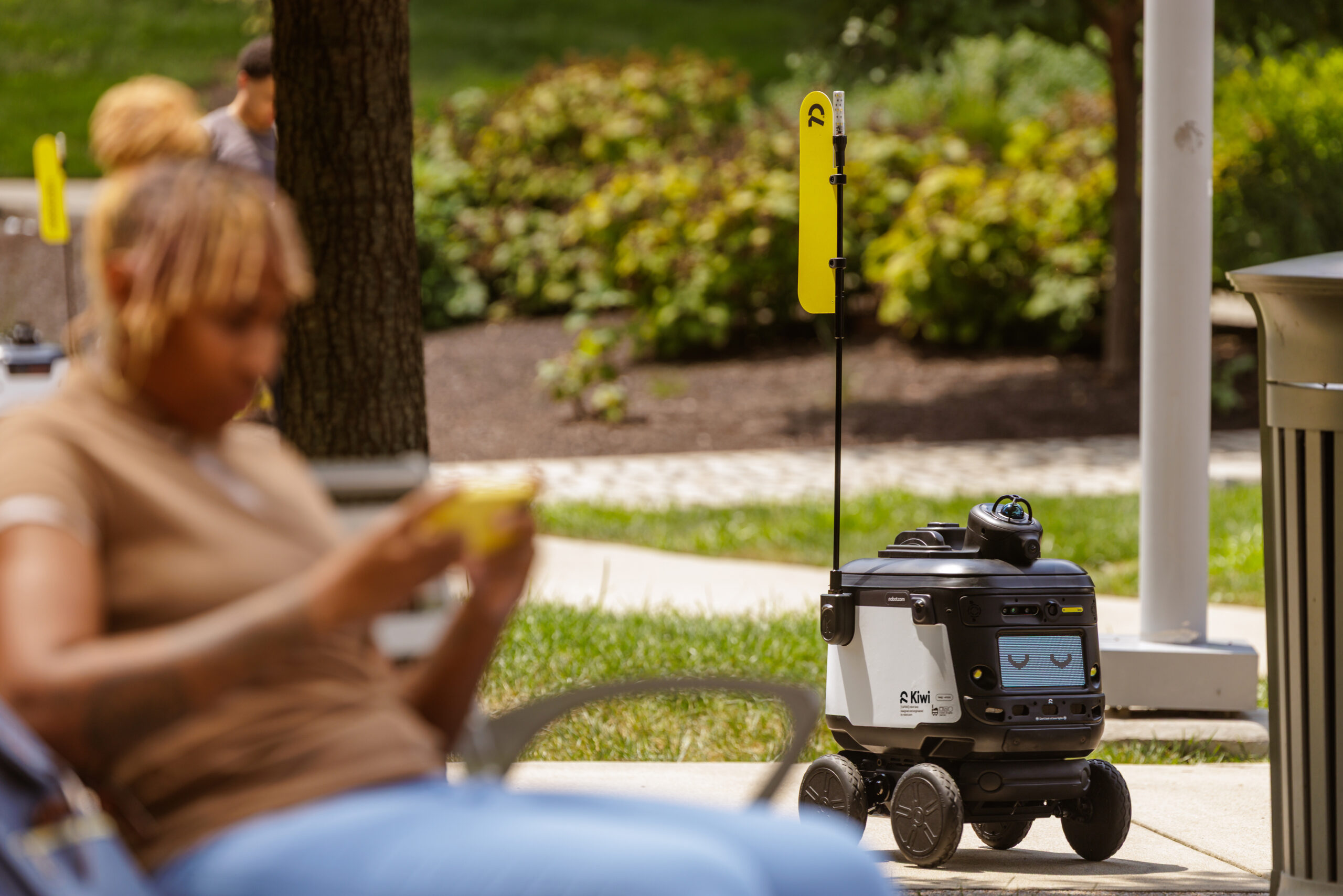
This is why many of the robots people actually like share a deliberate softness: rounded forms, expressive cues, something that signals harmlessness at the first impression. Ours lean into that with large LED eyes that blink and change expression, and you can watch the difference land on the street in real time. A plain steel box can seem threatening, but add friendly eyes and it becomes a character people want to meet and take photos with.
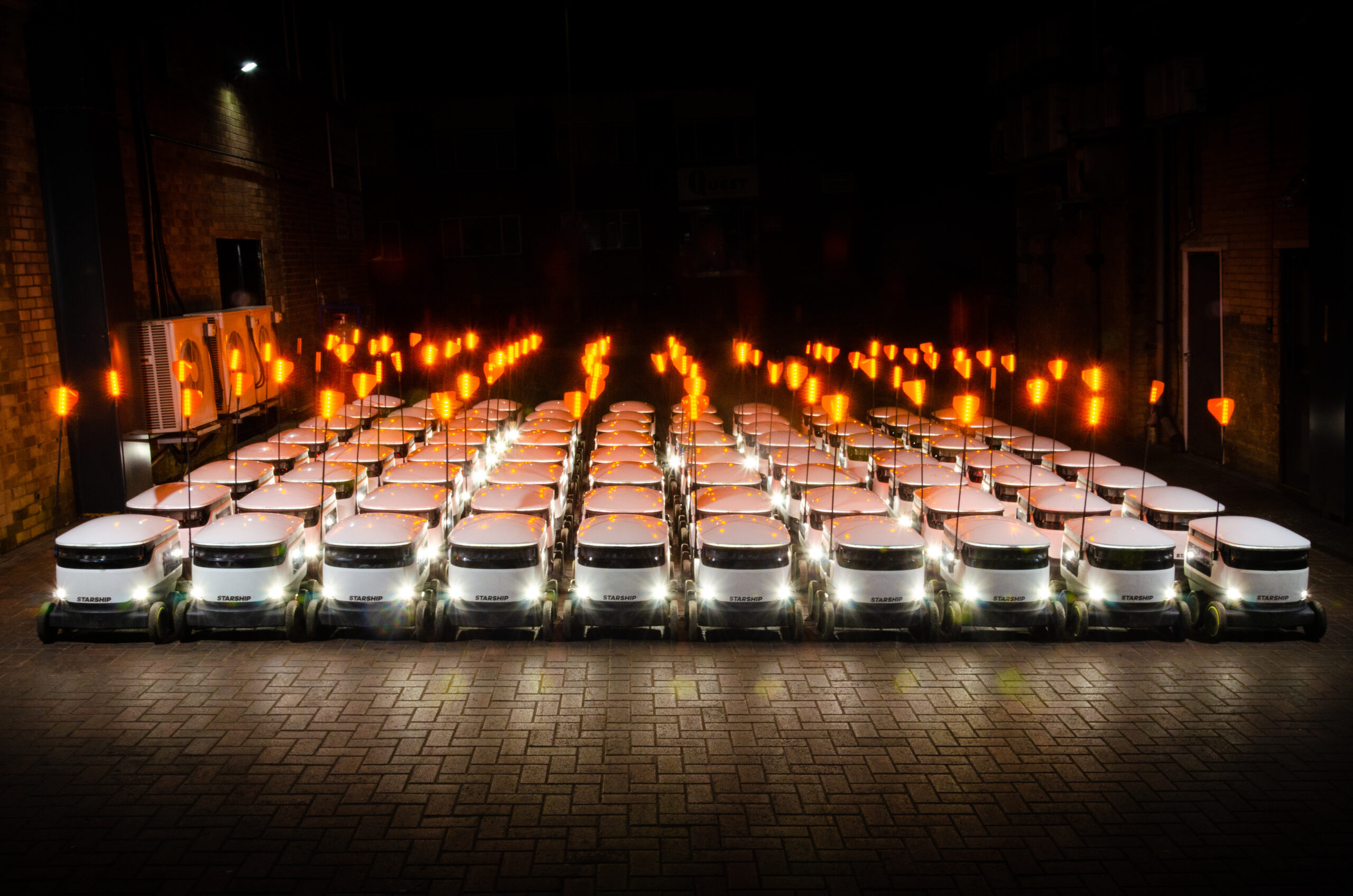
That willingness to interact is the base for everything else, and it takes time to build. After more than 100 brand activations in over 20 countries, and with a fleet of over 500 robots completing over 2.5 million tasks, the biggest lesson I’ve learned is that a robot must earn its place first. It does this slowly, by being something people are happy to see in their neighborhood. Only after a robot is welcomed does advertising become the next sensible step.
When the robot becomes an interface
The moment a robot becomes something people watch and approach, it stops being a delivery vehicle and becomes an interface, and every interface is a surface for media. Here, the economics shift in a way that reaches well beyond a single campaign.
What stood between a robot and the sidewalk was never the engineering, but the money: the plain cost of building a capable machine, putting it on a street, and keeping it running. A wall like this is where plenty of promising robotics companies stall, and advertising is how we climb it. Robots are already out making their rounds, so letting them carry an ad on the same trip means they earn a second time on a journey they were taking anyway, quietly absorbing the cost of the hardware and making routes work that would never have justified themselves on delivery alone.
This brings me to R-ads, the platform we built to turn our fleet into a measurable advertising network: branded wraps, onboard screens, and scannable, interactive moments running on robots already out in the world doing their jobs. People see the wraps and the screens and assume they’re the product, but the platform sits closer to the engine room, one piece of Robot.com letting every other piece reach places it otherwise couldn’t.
The race this decade belongs to whoever solves the economics, because building an impressive robot has become the easy part of the problem. And a few R-ads campaigns are where I’ve seen bots hold their own on the curb.
Robots are rolling, while billboards are hating
Take Times Square, where attention is expensive but often ignored. When Liquid I.V. sent a fleet of branded robots through the intersection, they went beyond racking up impressions and put samples directly into people’s hands, which is the distinction the whole category turns on. A billboard above the crowd is reach you hope for, but a robot in the crowd is reach you can measure: a sample given, a face-to-face moment. The campaign got over 203,000 impressions across 136 miles, and at its peak, the robots handed out more than 500 samples a minute. That’s the kind of real contact a billboard can’t offer.
The Ad Council showed the same idea from another angle. During Miami’s Grand Prix weekend, robots ran a Heatstroke Prevention campaign, the first time autonomous robots carried a public-service message at this scale. The venue didn’t allow physical wraps, so the campaign ran only on the robots’ screens, but still got over 147,000 impressions in four days. Once people are watching a robot, whatever it carries–a product, a brand, or even a life-saving warning—becomes a choice, not a limitation.
For years, talk about robotics has focused on a future that’s always a little further out: the humanoid that’s almost ready, the autonomy that’s nearly there. I’m more focused on what robots might do someday and more about what pays for them to be on the street now. When a robot delivers and carries a message, it earns twice from one trip, making it possible for businesses to use them at scale.
Robots are already on the streets, and people are paying attention. Whether it’s a snack brand, a public health message, or just something new passing by, the attention is real and measurable today. The real question for advertisers isn’t whether this opportunity exists, but who will make the most of it.