French robotics firm Wandercraft has acquired US-based Ekso Bionics for an undisclosed sum.
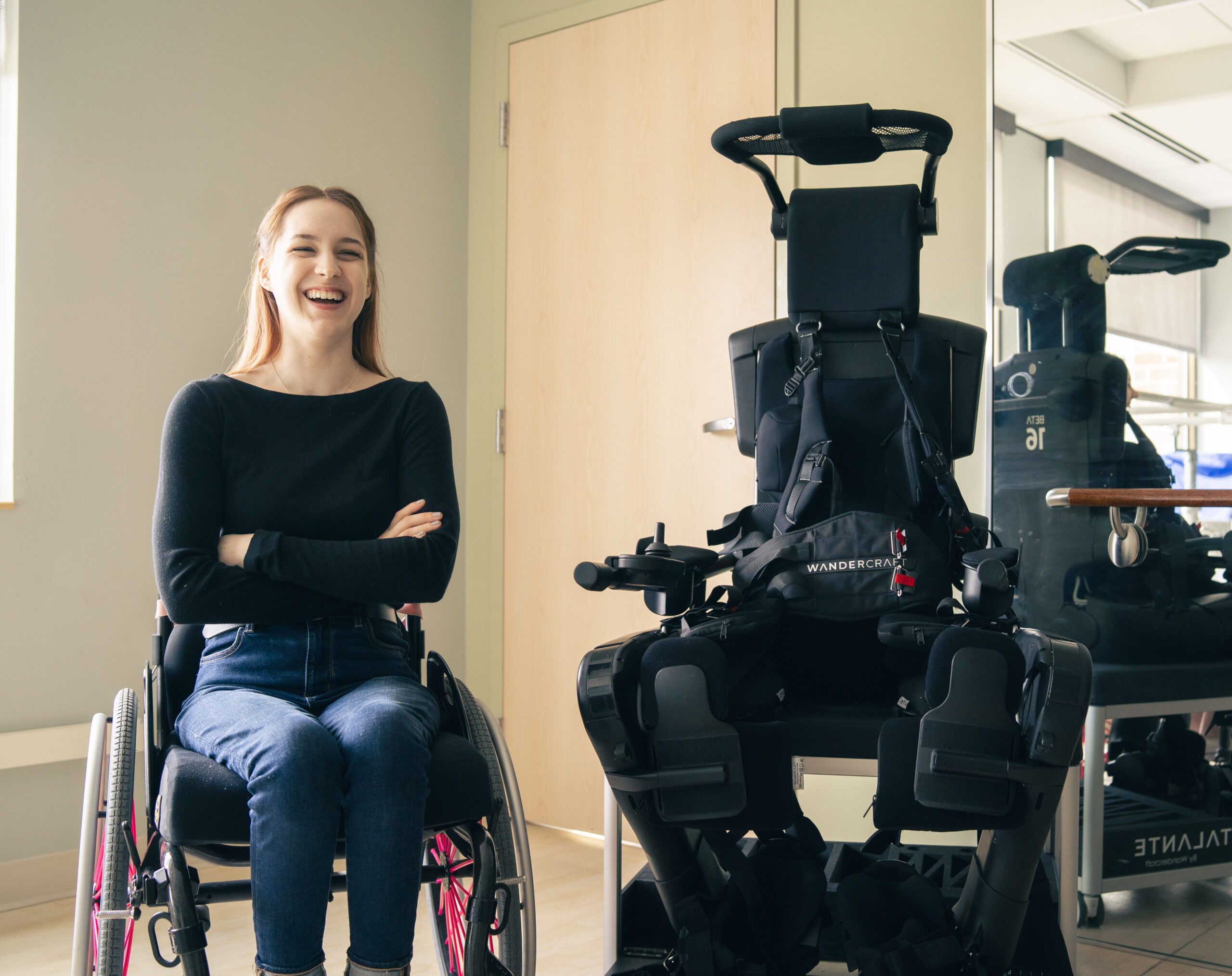
The deal brings together two makers of medical exoskeletons that help people stand and walk, creating a major player in robotic mobility.
Wandercraft bought Ekso from a subsidiary of Nasdaq-listed ChronoScale Holdings Corporation. The deal was signed and closed simultaneously, according to the companies.
Wandercraft brings robotics and physical AI expertise and a strong base in Europe, the Middle East and Africa. Ekso adds a strong US presence, extensive clinical experience and commercial reach.
“We now serve a broader global customer base and benefit from manufacturing capabilities in both France and the U.S., including the capacity to produce up to 2,000 units annually at our Paris facility,” Wandercraft CEO Matthieu Masselin told IZON.
The combined company will offer four platforms: Atalante X and EksoNR for rehabilitation centres, and personal devices Eve and Indego Personal.
“Today, our devices are deployed in more than 700 rehabilitation centers worldwide, with a strong presence in the U.S., EMEA, and other international markets,” Masselin added.
Between them, the two clinical platforms hold US FDA clearances and CE marking covering stroke, spinal cord injury, multiple sclerosis and acquired brain injury.
For personal devices, Wandercraft said Medicare covers qualifying exoskeletons in the US under its brace benefit category, for patients who meet eligibility and medical necessity criteria.
Wandercraft has separately built a humanoid robot dubbed Calvin-40, which is the industrial expression of the knowledge it has built in hospitals.
“This scale benefits us far beyond medical exoskeletons,” Matthieu explained. “Scaling Calvin-40, our humanoid robot, requires robust manufacturing, real-world validation and global customer support. Here, Ekso brings a proven U.S. operational platform that complements Wandercraft’s robotics and AI expertise. I’m excited that this acquisition will rapidly strengthen our ability to advance and deploy physical AI in real-world environments.”